

The world of optics is constantly evolving, with brands continually pushing the boundaries of technology to offer ever-improving products. Among these brands, Nikon stands out for its pursuit of excellence in optical lenses. The manufacture of high-quality eyeglass lenses relies not only on advanced machining techniques but also on the judicious selection of materials. This choice is crucial, as it directly influences the durability, comfort, and aesthetics of the lenses. The primary materials used in Nikon lenses are organic glass, often CR-39 resin, and mineral glass.
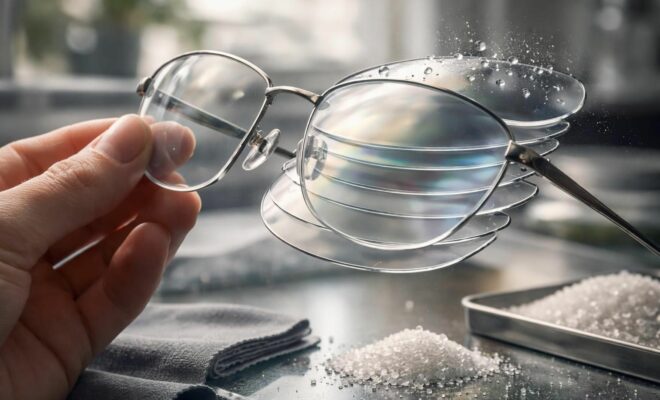
Each material possesses its own unique characteristics, influencing how lenses perform under various conditions, from scratches and impacts to climatic variations. Understanding the specific properties of these materials not only enhances the appreciation of Nikon lens quality but also enables informed choices when purchasing eyewear tailored to individual vision needs. Furthermore, Nikon’s advanced lens technology contributes to maximizing the visual performance of these materials, further fueling consumer interest.
The characteristics of the materials used in Nikon lenses
The distinction between organic and mineral glass is fundamental in the manufacture of eyeglass lenses. Each of these materials has advantages and disadvantages that make it suitable for specific needs.
Organic glass: lightness and comfort
Organic lenses, typically made of CR-39 resin, are renowned for their lightness, making them a preferred choice for eyeglass wearers seeking comfort. Their reduced weight helps decrease pressure on the nose and ears, providing a pleasant wearing experience, even over extended periods. Furthermore, this type of lens is particularly impact-resistant, increasing its durability. Applied treatments, such as anti-reflective coatings, also enhance visual clarity by reducing distracting glare. Organic lenses are frequently used in prescription eyeglasses because they effectively meet the wearer’s specific needs.
In terms of aesthetic options, organic lenses can be tinted in various colors, allowing users to personalize their glasses according to their individual preferences. This choice also offers protection against UV rays, an essential aspect for preserving eye health.
Mineral glass: superior optical performance
In contrast, mineral glass stands out for its scratch resistance, making it a material of choice for those seeking high-quality optics. Although generally heavier than organic glass, it offers impeccable optical performance, guaranteeing clear and sharp vision. This type of glass is often preferred for specific applications where visual clarity is paramount, such as progressive lenses or complex prescriptions.
Mineral lenses can also undergo treatments similar to those of organic lenses, such as hardening, which protects the surface against wear. It is essential to consider the practical aspects related to the choice of material: weight and durability can significantly influence the comfort of glasses in everyday use.
Nikon lens manufacturing process
Nikon’s lens manufacturing process is a rigorous one that combines advanced technology with traditional craftsmanship. Each step is crucial to ensuring the final product quality. This process begins with a personalized prescription from an eye care professional.
Production stages
The manufacturing process can be broken down into several key phases:
- Prescribing glasses: The first step involves consulting an optician, who will perform an eye exam to establish a precise prescription.
- Manufacturing of the semi-finished puck: The appropriate materials are selected, and a semi-finished puck is produced, ready to be machined to customer specifications.
- Machining: At this stage, the lenses are precisely shaped according to the provided prescription.
- Polishing: The lens surfaces are then polished to ensure optimal visual clarity.
- Treatment: Finally, the lenses receive various treatments, such as hardening and anti-reflective coatings, to improve their performance and longevity.
This high level of precision is essential to ensure that each lens is perfectly suited to the wearer’s visual requirements. Furthermore, each lens undergoes rigorous quality control to guarantee high standards.
Advanced technologies in Nikon lens manufacturing
Nikon is at the forefront of manufacturing technologies in the optical industry. The brand uses innovative methods to deliver precise, highly personalized results.
Freeform Technology
Freeform technology is a major advancement in lens manufacturing. Unlike traditional lens production methods, this technology allows for the creation of lens surfaces that adapt perfectly to each wearer’s individual vision. Using complex algorithms and computer numerical control (CNC) machines, the lenses are designed to offer unprecedented visual comfort.
This level of personalization optimizes lens performance, particularly for individuals with complex or specific prescriptions. Lenses produced with freeform technology offer better adaptation to changing light and eye strain, a practical advantage for everyday wearers.
The treatments applied to Nikon lenses
To maximize the performance of its lenses, Nikon applies several specific treatments that add value to its products. These treatments are essential to ensure that the glasses meet the diverse needs of users.
Anti-reflective coating
Anti-reflective coating is crucial for improving vision in low-light conditions and reducing eye strain. By minimizing distracting reflections on the lens surface, this coating allows for optimal visual clarity, which is particularly beneficial for those who spend long hours in front of a screen.
UV protection
Another important feature is UV protection, which plays a vital role in preserving eye health. Nikon lenses are designed to filter harmful ultraviolet rays, thus protecting the eyes from the sun’s damaging effects.
Scratch resistance
Finally, scratch-resistant treatments are applied to extend the lifespan of the lenses, ensuring they remain clear and functional even after months of use.
The importance of choosing a good optician
Choosing the right optician is crucial to the quality of your glasses. A skilled professional not only ensures your prescription is correctly interpreted but can also guide you in selecting the materials and treatments best suited to your needs.
Criteria for choosing a good optician
- Personalized assessment: A good optician takes the time to assess your visual profile, ensuring optimal lens fitting.
- Experience: Knowledge of the latest technologies and trends allows the optician to provide relevant advice.
- After-sales services: A good optician offers follow-up, which is essential to ensure that the lenses remain suitable and functional.
- Variety of options: An optician must offer a range of brands, including Nikon, Essilor, and Zeiss, to meet diverse needs.
A poor decision regarding optics can lead to considerable inconvenience, as poorly fitted lenses can affect visual comfort and long-term eye health.
The protection options offered by Nikon lenses
Beyond their corrective function, Nikon eyeglass lenses incorporate various levels of protection that are essential for eye health. These options are particularly important in our modern environment, where environmental factors are increasingly prevalent.
UV Filtration
Nikon eyeglass lenses offer effective UV filtration, preventing harmful rays from reaching the eyes. This protection is crucial, especially for wearers who spend time outdoors.
Blue light filters
Blue light filters are also available, limiting exposure to blue light emitted by screens, which can help reduce eye strain.
Hydrophobic treatments
Hydrophobic treatments prevent water and dirt from adhering to the surface of the lenses, making them easier to clean and improving visual clarity.
By taking these protection options into account, users can not only correct their vision but also preserve the health of their eyes in the long term.
What materials are used for Nikon eyeglass lenses?
Nikon eyeglass lenses are typically made from organic glass (CR-39 resin) and mineral glass, each with distinct characteristics.
Why is it important to choose a good optician?
A good optician guarantees an accurate assessment of your visual needs and advises you on the best options for suitable lenses.
What treatments can be applied to lenses?
The lenses can receive various treatments such as anti-reflective coating, UV protection, and scratch resistance.
How do individualized lenses differ from stock lenses?
Individualized lenses are custom-designed to meet the specific needs of the wearer, unlike mass-produced stock lenses.
What is the role of freeform technology in lens manufacturing?
Freeform technology allows for extreme personalization of lenses, offering results tailored to individual visual needs.

